Archive for the ‘Financial Crisis’ Tag
Link: https://www.npr.org/2021/12/01/1060610393/a-locked-door-a-secret-meeting-and-the-birth-of-the-fed-classic
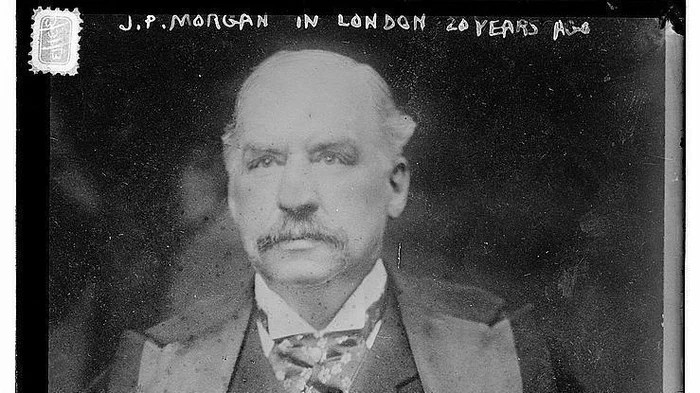
On this episode from Planet Money, they discuss the events and people that led the creation of the Fed, relevant in 2022 in light of the pressure the Fed is facing in as inflation continues to rise. A quick guide to J.P. Morgan’ s influence and help with founding the Fed so big bailouts no longer had to fall on his pockets.
Original Air Date: December 20, 2013
Length: 17 minutes 10 seconds
Link: https://www.npr.org/2021/08/23/1030276615/planet-money-summer-school-5-bubbles-bikes-biases
Learn from Planet Money’s Summer School what causes financial bubbles with examples such as the dotcom bubble and the Great British bicycle bubble. Also, hear about how behavioral biases, greater fools theory, and herd behavior make bubbles much worse.
Original Air Date: August 25, 2021
Length: 29 Minutes 57 Seconds
Link: http://www.marketplace.org/2016/03/11/world/big-three-credit-ratings-agencies-still-hold-huge-amount-power
Summary: Marketplace takes a deeper look into the position of the big three credit rating agencies before and after the financial crisis of 2008. Although the ratings agencies were vilified after the financial crisis, they are now bigger and stronger than before.
Original Air Date: March 11, 2016
Length: 3 minutes 37 seconds
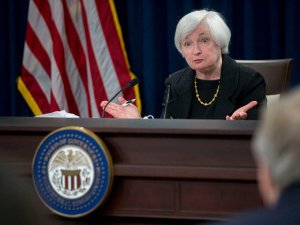 Link: http://www.npr.org/sections/money/2015/10/23/451228005/episode-659-how-to-make-3-trillion-disappear
Summary: The Planet Money team discusses the end of quantitative easing – how it works and how it is coming to an end. A particular focus is how this process will impact commercial banks and their clients.
Original Air Date: October 26, 2015
Length: 15 minutes 25 seconds
 Link: http://www.npr.org/sections/money/2015/07/08/421228146/episode-637-the-last-euro-in-greece
Summary: The Planet Money team discusses the role the banks played in the Greek debt crisis and how it affected the Greek people.
Original Air Date: July 8, 2015
Length: 13 minutes 38 seconds
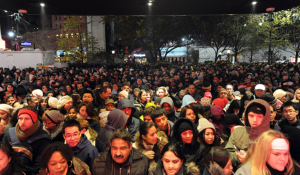 Link: http://www.marketplace.org/topics/economy/special-shopping-day-overload
Summary: The number of shoppers on Black Friday was down this year (2014). Because of the ease in comparing prices online to find the best deal, Black Friday (and the whole weekend) has become a ritual team effort of mothers, daughters, and other relatives.
Original Air Date: December 1, 2014
Length: 1 minute 47 seconds
Discussion Question: Is the economy effecting how many people shop on the Black Friday weekend? Or is it something else that’s driving the number of shoppers down?
 Link: http://www.npr.org/blogs/money/2014/11/28/366793693/episode-586-how-stuff-gets-cheaper
Summary: The Planet Money team looks at how some things get cheaper over time. The podcast hosts visit a company called Monoprice, whose job it is to find out ways to make things cheaper–in other words, a lot of detective work.
Original Air Date: November 28, 2014
Length: 14 minutes 11 seconds
Prompt: Write a brief letter to Monoprice with your thoughts on their job. Is it efficient? Is it cost-productive?
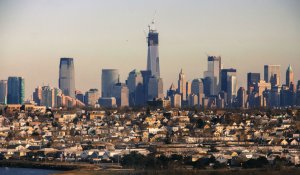 Link: http://www.marketplace.org/topics/economy/interstate-tax-break-battle
Summary: The Obama Administration has been cracking down on inversions–where companies avoid US taxes by getting a foreign address. Now, it is being taken down to a state level, as states hand out tax breaks to try to increase business and get out of the Great Recession.
Original Air Date: September 24, 2014
Length: 2 minutes 27 seconds
 Link: http://www.marketplace.org/topics/wealth-poverty/how-tough-economy-changes-young-peoples-lives
Summary: Many people are still feeling the after-effects of the Great Recession, especially young adults. Young adults still have a higher than average unemployment rate, and are not hitting traditional milestones–such as living alone, starting careers, buying their first home–and have been described as a generation that has “failed to launch” due to the poor economy. Everything that is happening to this generation is happening later in life as they work to launch themselves as independent, self-supporting adults in the harsh economic environment.
Original Air Date: September 16, 2014
Length: 4 minutes 36 seconds
 Link: http://www.marketplace.org/topics/sustainability/boom-and-bust-story-crop-called-guar
Summary: Guar is a small bean, and it had a recent rise and fall in the marketplace. Besides being an additive to thicken many foods, it’s also used in fracking. When fracking took off, the price of guar rose. As the price increased, Texas farmers started growing a lot of it, until Pakistan and India–which grow 98% of the guar combined–caught up to the demand. As a result, oil companies stopped hoarding it, and the prices dropped. The Texas farmers were left without buyers, and caused a chain reaction of bankruptcy.
Original Air Date: October 9, 2014
Length: 2 minutes 47 seconds

 audioecon