Summary: As the Federal Reserve targets higher interest rates to stabilize prices, they also want to keep unemployment low. The Indicator speaks with a Fed President about this dual mandate– its history, the trade-offs it involves and how it makes sense.
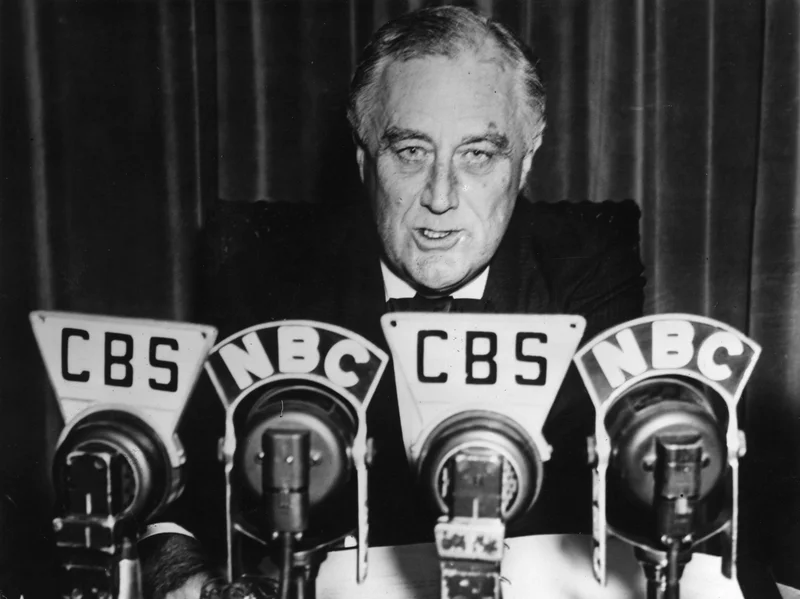
During World War II, when inflation was very high, the United States government took many different actions to fight it including implementing an income tax, rationing, and price ceilings. Today we have the Federal Reserve which means we will hopefully not have to resort to these drastic measures to fix inflation ever again.
Amazon is beginning its own telemedicine system this summer, allowing participating companies to see a nurse or doctor remotely. This marks a shift in the healthcare industry, as it is predicted that close to 60% of doctor’s visits will be done remotely following the Covid-19 pandemic.
This podcast also discusses The Federal Reserve Bank’s decision to keep interest rates low, fewer numbers of students filing for federal student aid, and remote work in the automobile industry.
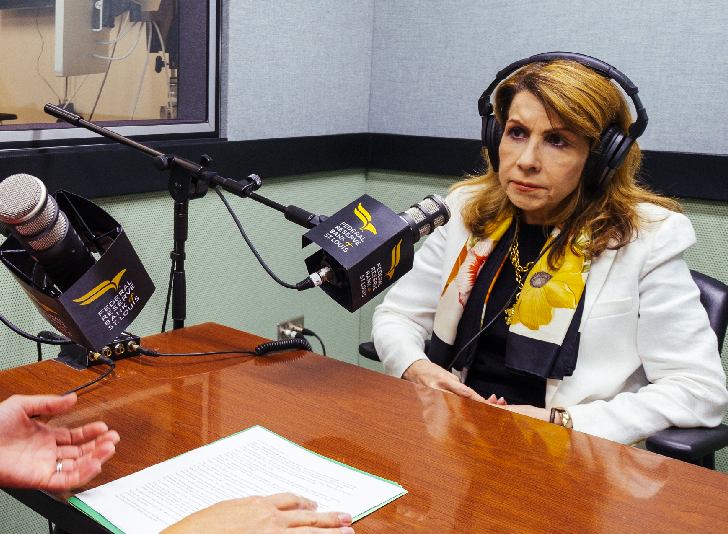
Carmen Reinhart, a professor of the International Financial Systems at Harvard Kennedy School discusses her life and economic experiences with Maria Hasenstab, senior media relations specialist at the St. Louis Fed. They cover a variety of topics from Reinhart’s childhood move from Cuba to the U.S., the male-dominated field of economics and how that impacts women, and how she analyzes economics almost like a detective would. As we continue through International Women’s Month, she leaves a motto for any women in the economic field: perseverance and consistency.
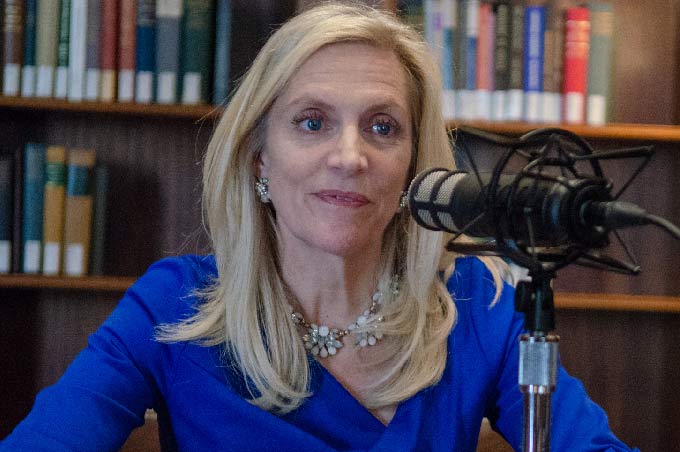
Lael Brainard, who is a member of the Board of Governors at the Federal Reserve, discusses the reasons why she pursued a career in economics. She discusses her time living in different countries and her interest in the reasons different economic systems alter individuals’ opportunities and wellbeing. She also discusses the necessity for more diversity in terms of race and gender in the field to ensure different perspectives are accounted for.
In the wake of the Covid-19 crisis, the U.S. government is pushing out a $2 trillion stimulus package. The Fed is also purchasing large quantities of U.S. Treasury bonds in order to stimulate the economy. This podcast discusses where this stimulus is coming from, and how it will effect the economy.
Original Air Date: March 26, 2020
Length: 20 minutes 29 seconds
Discussion Prompt: Why is demand for U.S. Treasury bonds so high right now? Will the stimulus package be enough to keep the economy safe from a recession?
Neel Kashkari from the Federal Reserve bank discusses his optimism about the future of the economy. He believes the Federal Reserve has learned from its mistakes during the 2008 crisis, and is now better equipped to react. The Fed is emergency lending in order to combat the effects of this economic uncertainty.
Original Air Date: March 20, 2020
Length: 13 minutes 43 seconds
Discussion Prompt: How is the current situation similar to the 2008 financial crisis? Should the Federal Reserve bail out banks and businesses during times like these?
In the wake of the Covid-19 pandemic, the Federal Reserve has lowered its interest rates to 0%. The Fed has been practicing quantitative easing in order to ensure individuals can sell Treasury bonds whenever they need to. Planet Money discusses whether this will be enough to prevent a recession from occurring.
Original Air Date: March 16, 2020
Length: 18 minutes 17 seconds
Written Assignment Prompt: Pretend you are the chair of the Federal Reserve. How would you deal with the Covid-19 pandemic to help prevent a coming recession? How would you adjust interest rates or the money supply during this time?
Summary: Former head of the Federal Reserve of America, Janet Yellen, communicated about inflation, uncertainty, and monetary policy in one of her speeches last fall. With the current low inflation, the Fed hopes more consumers go out and purchase more goods to help reach the ideal inflation in the country. But as inflation remains low, the Fed is left puzzling over this mystery.
Summary: In this podcast, economics meets finance. We learn how Stanley Fischer, the departing vice chair of the Fed, connects interest rates to the stock market, how he views the level of transparency of the Fed, and we learn his input on how the country’s economy has been functioning as a whole.



 Link:
Link: 
 audioecon