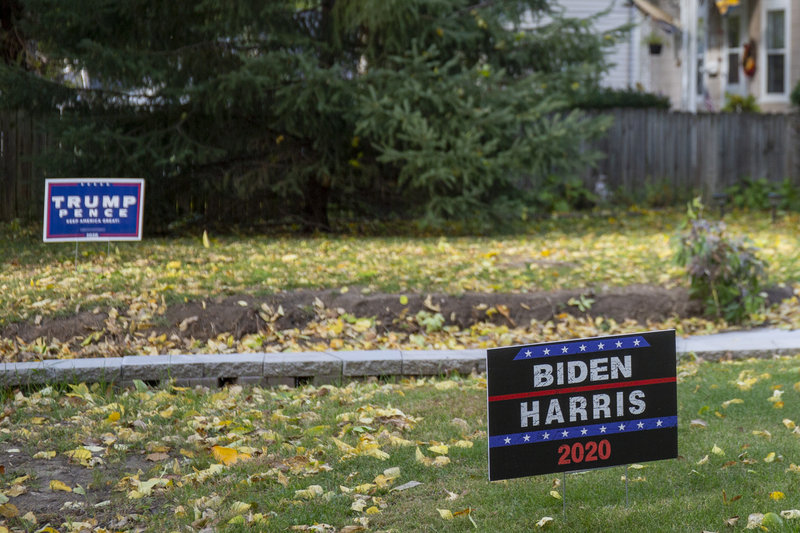
Biden has proposed an economic plan to contain the coronavirus while opening the economy again when it is safe to do so. His plan primarily focuses on affordable child care, creating more jobs in the green energy sector, and closing the racial wealth gap. This podcast discusses his plans to raise taxes on the wealthy, remove certain deductibles for these individuals, and increase taxes on corporations in order to fund some of these programs.
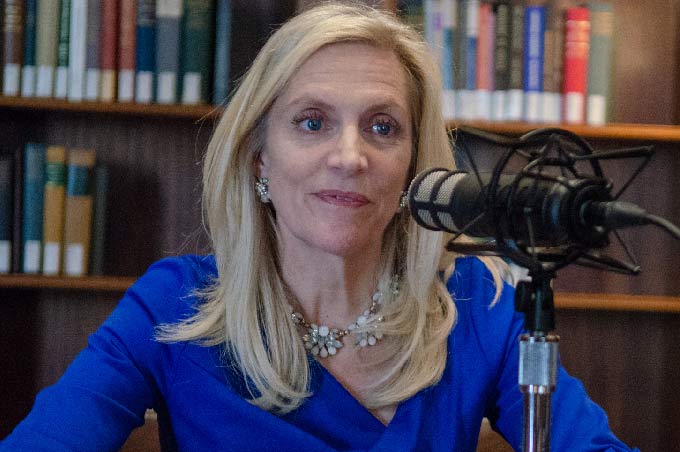
Lael Brainard, who is a member of the Board of Governors at the Federal Reserve, discusses the reasons why she pursued a career in economics. She discusses her time living in different countries and her interest in the reasons different economic systems alter individuals’ opportunities and wellbeing. She also discusses the necessity for more diversity in terms of race and gender in the field to ensure different perspectives are accounted for.
With the presidential election coming up, NPR looked into how much money campaigns pay for certain demographics of voters. Approximately 60% of campaign spending is typically targeted at TV ads in battleground states such as Wisconsin and Florida. Using a generic party model, campaign advertisers are able to identify which individuals have a higher probability of being a “swing voter”.
This podcast discusses research conducted by Daniel Reck regarding the enormous amount of wealth American’s keep overseas to avoid being taxed. Different policies that were enacted, specifically in 2008, aimed to increase the disclosure of offshore wealth, which were somewhat successful in the prevention of tax evasion.
Across the country there is concern about the impacts of remote learning on children, specifically those who are already at a disadvantage. Some students may be “losing” up to a year of education depending on their age. This podcast discusses the risks that families are facing right now, as well as research regarding the new roles of parents in their children’s education.
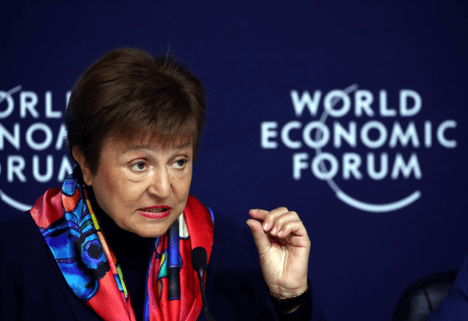
IMF chief Kristalina Georgieva discusses the need for sustained financial support from governments across the globe. Georgieva emphasizes that policymakers must keep in mind the future of their economies, and promote job creation in sectors which are developing, such as the green energy sector. Additionally, Georgieva discusses the need for investment everywhere in order to inhibit worsening global inequalities.
This podcast uses behavioral economics to analyze the reasons why people may refuse to wear masks. Economists believe when these individuals feel external constraints on their freedoms, they feel even less inclined to wear a mask. Behavioral economists discuss nudges/incentives that could be effective in this situation.
Original Air Date: August 7, 2020
Length: 26 minutes 26 seconds
Discussion Prompt: What are some other incentives you can think of that would influence more widespread mask wearing?
There is increasing demand for a Covid-19 vaccine, and although many are developing, scientists are still unsure when an effective vaccine will be finished. There is also concern that low income countries will struggle to gain equitable access to the vaccine once it is produced. Thomas Cueni, the director general of the International Federation of Pharmaceutical Manufacturers and Associations emphasized the importance of high income countries buying into efforts which would subsidize lower income countries.
Oil prices have officially fallen well below a dollar in the United States. This is extremely telling about the current state of the economy, considering this has never happened before.
Original Air Date: April 22 2020
Length: 16 minutes 22 seconds
Discussion Prompt: What can this tell us about the state of the global economy at the time of negative oil? If you were advising policy makers, how important would you say this event was or was not? Why?
At the American Economic Association annual conference, some of the brightest economists answer the question, “What is the most useful idea in economics?”. Answers range from the idea of opportunity cost to thinking at the margin.
Original Air Date: January 10 2020
Length: 21 minutes 1 second
Discussion Prompt: What do you believe is this most useful idea in economics and why?
Written Prompt: Develop your own list of your top ten (or top 5) ‘most useful ideas’ in economics. Be sure to explain WHY you’ve made your selections. You may use up to 3 of those referenced in the podcast, with your own explanations! The rest must be your idea.







 audioecon