Archive for the ‘Production costs’ Category
 Link: http://freakonomics.com/podcast/the-cheeseburger-diet-a-new-freakonomics-radio-podcast/
Summary: In response to the infamous documentary Super Size Me, one woman toured her local area in search for the best burger. Shockingly, she didn’t gain a single pound despite eating two burgers a week. Freakonomics discusses the surprising results.
Original Air Date: December 10, 2015
Length: 34 minutes 21 seconds
Discussion Question: What role does utility play in this situation? Will satisfaction of the second burger eaten always be the same? Explain.
 Link: http://www.npr.org/sections/money/2016/09/21/494927147/episode-555-why-is-the-milk-in-the-back-of-the-store
Summary: There has been a debate for decades as to why the milk is in the back of a store. Consumers say it’s because you have to walk through store, producers say it’s because of ease of access for the delivery trucks. Planet Money researches what the actual answer is by talking to people in the industry.
Original Air Date: July 23,2014
Length: 16 minutes 9 seconds
 Link: http://www.marketplace.org/2016/04/13/world/gmo-crops-declineat-least-now
Summary: Due to falling commodity prices, the number of acres across the globe containing genetically modified crops has fallen for the first time in 20 years.
Original Air Date: April 13, 2016
Length: 2 minutes 4 seconds
 Link: http://www.marketplace.org/2016/02/24/world/iaw-whiskey
Summary: Sellers hope to maximize profit. So what incentives do distillery owners have to start their business if they can only make a profit after 20 years? Marketplace tackles this question and the history of selling whiskey in this podcast.
Original Air Date: March 7, 2016
Length: 5 minutes 42 seconds
 Link: http://www.marketplace.org/2016/03/25/world/after-years-making-occulus-rift-arrives
Summary: Oculus Rift headsets for virtual reality are now in the market! Facebook owns Oculus and will be looking to take to Oculus Rift to the mainstream market next. In this podcast, Marketplace discusses the prospects and challenges ahead for these pioneers in virtual reality economy.
Original Date Aired: March 18, 2016
Length: 1 minute 53 seconds
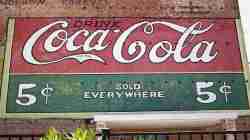 Link: http://www.npr.org/sections/money/2015/11/18/456410327/episode-416-why-the-price-of-coke-didnt-change-for-70-years
Summary: The Planet Money team investigates how the price of a Coke was able to stay at 5¢ for 70 years. In finding the explanation, the Planet Money team also considers the reasons for Coke’s global success.
Original Air Date: November 18, 2015
Length: 19 minutes 7 seconds
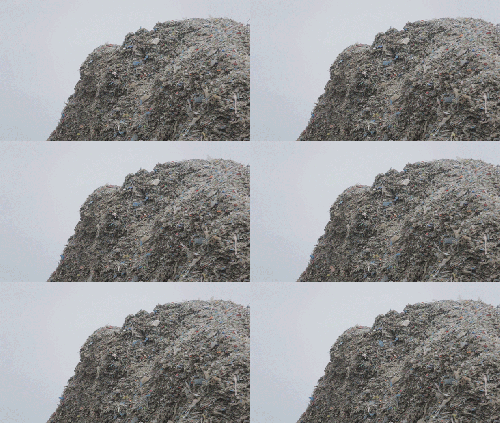 Link: http://www.npr.org/sections/money/2015/03/27/395815221/episode-613-trash
Summary: The Planet Money team investigates the $100 billion industry that is recycling and the downward spiral it has taken due to developments in in other markets.
Original Air Date: March 27, 2015
Length: 13 minutes and 52 seconds
 Link: http://www.npr.org/sections/money/2015/03/11/392381112/episode-609-the-curse-of-the-black-lotus
Summary: Using common goods like magic cards, the NPR team demonstrates market bubbles and how they work as well as how one company deflated theirs.
Original Air Date: March 11, 2015
Length: 16 minutes 56 seconds
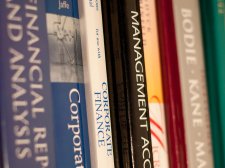 Link: http://www.npr.org/blogs/money/2014/10/03/353300404/episode-573-why-textbook-prices-keep-climbing
Summary: Something strange is going on in the textbook market. The price has steeply increased over the past decade–and they’re only getting higher. There is a disconnect between the chooser (the professors) and the buyers (the students). Technically, the professor is the consumer, and they’re spending their students’ money. The podcast offers the opposite: high school textbooks, where costs are kept low because the books are paid for by the schools.
Original Air Date: October 3, 2014
Length: 14 minutes 56 seconds
Discussion Question/ Prompt: Propose a solution to the rising textbook price problem. (Example: a price ceiling? professor awareness of prices? incentives for lower prices?)
 Link: http://www.npr.org/blogs/money/2014/10/29/359624435/episode-578-how-to-steal-a-million-barrels-of-oil
Summary: The Nigerian Internet hosts many ads for stolen oil, inspiring the question: how? Why? Nigeria has one of the top oil reserves, and it is controlled by the government. They lose about $10 million a day from oil theft. This podcast dissects how they get away with it.
Original Air Date: October 29, 2014
Length: 19 minutes 30 seconds
Discussion Question: The podcasts says that this problem is for the Nigerian government to solve. Should it be an international issue?
Prompt: The podcast does not reflect on the legally sold oil, and the effect the stolen oil has on that market. Write how you think the stolen oil would change the market for legal crude oil in the international arena, paying specific attention to the quantity and the prices.

 audioecon