 Link: http://www.npr.org/blogs/money/2014/05/02/308640135/episode-536-the-future-of-work-looks-like-a-ups-truck
Summary: This podcast outlines how information technology is being used to measure efficiency in certain markets, such as the United Parcel Service (UPS). Whether you are inside a truck driving or in an office, information technology can track almost everything you do.
Original Air Date: May 2, 2014
Length: 14 min
 Link: http://freakonomics.com/2014/03/27/why-everybody-who-doesnt-hate-bitcoin-loves-it-a-new-freakonomics-radio-podcast/
Summary: Freakonomics explains the new digital currency Bitcoin and its potential capabilities as well as its shortcomings. Economists and internet pioneers such as Marc Andreeseen and Susan Athey provide their opinions on this emerging currency.
Original Air Date: March 27, 2014
Length: 36 min
 Link: http://freakonomics.com/2014/04/10/if-mayors-ruled-the-world-a-new-freakonomics-radio-podcast/
Summary: Stepher Dubner from Freakonomics Radio interviews Benjamin Barber, author of If Mayors Ruled the World: Dysfanctional Nations, Rising Cities, who outlines why good governance is more efficient in cities compared to nation states.
Original Air Date: April 10, 2014
Length: 32 min
 Link: http://www.npr.org/blogs/money/2014/04/18/304540007/episode-533-why-cars-from-europe-and-the-us-just-can-t-get-along
Summary: An exploration of how different safety standards across countries impact the automobile industry. Discusses differences in regulations from turn signals to windshield wipers, and how that impacts production choices and costs in the industry.
Original air date: April 18, 2014
Length: 17 min
Discussion Prompt: Reflecting on what you’ve learned about international trade, production costs & the content of this podcast, discuss what impacts the differential regulations on cars in the U.S. and Europe have on (a) production decisions for the firm, and (b) international trade.
Follow-up Prompt: Using economic thinking, consider the tradeoffs between security and cost in this podcast. The governments/regulators in these countries might say it is worth it for consumers to pay more to get more security. What do you think?
Follow-up Prompt: Considering production costs in the context of firms’ desire to maximize profits, what strategies might firms employ to maximize profits under these conditions of different regulations across countries?
 Link: http://www.npr.org/blogs/money/2014/03/07/286900628/episode-523-the-fight-over-ukraines-gas-bill
Summary: The Planet Money team look at the role that Ukraine’s gas subsidies played in the 2013/2014 crisis in the country. Includes discussion of the roots of the energy interdependence of Russia and Ukraine, gas subsidies, the creation of markets as communist systems were abandoned, and the choices Ukraine faced between Europe and Russia as partners to help it out of economic crisis.
Original air date: March 7, 2014
Length: 14 min
 Link: http://www.npr.org/blogs/money/2014/01/17/263487421/episode-510-the-birth-of-the-minimum-wage
Summary: Planet Money takes us back through time to when the U.S. first set a minimum wage. Historically, the U.S. had rejected any attempts at a minimum wage law, considering them unconstitutional. But things changed after Franklin D. Roosevelt signed the Fair Labor Standards Act of 1938.
Original Air Date: January 17, 2014
Length: 17 min
 Link: http://www.npr.org/blogs/money/2014/01/22/265014932/episode-511-rule-breakers
Summary: Planet Money presents three stories that revolve around the theme of ‘Rule Breaking.’ This three episode mash-up considers how people in Indonesia navigate horrendous traffic, how the U.S. illegally subsidizes cotton farmers and how banks decide to accumulate huge risks.
Original Air Date: January 22, 2014
Length: 16 min
 Link: http://www.npr.org/blogs/money/2014/01/15/262789258/episode-509-will-a-computer-decide-whether-you-get-your-next-job
Summary: Planet Money asks what the hiring process of the future might look like. This podcast takes a look at hiring tests that could determine your next position without you even been present for an interview.
Original Air Date: January 15, 2014
Length: 19 min
 Link: http://www.npr.org/blogs/money/2013/12/31/258687278/a-bet-five-metals-and-the-future-of-the-planet
Summary: A bet between a biologist and an economist over population growth. This Planet Money Podcast reports on a wager between biologist Paul Ehrlich and economist Julian Simon on the affect of population boom to our environment.
Original Air Date: January 2, 2014
Length: 7 minutes
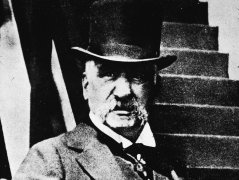 Link: http://www.npr.org/blogs/money/2013/12/20/255839292/episode-505-a-locked-door-a-secret-meeting-and-the-birth-of-the-fed
Summary: An historical retelling of the creation of the Federal Reserve Bank
Original Air Date: December 20, 2013
Length: 15 min
 audioecon