Archive for the ‘Politics & economics’ Category
 Link: https://www.marketplace.org/2017/10/09/economy/when-it-comes-immigration-family-ties-may-no-longer-bind
Summary: A large percentage of immigrants move to the United States because they are related to someone who is an American citizen. Whereas, a smaller portion of immigrants come from workers who get visas because they have some needed skill in the workforce. In this podcast, Marketplace considers how a country can find a balanced policy in immigration reform. If immigration is too limited for the labor market, employers lose the number of unskilled workers that they may need for the success of their companies.
Original Air Date: October 9, 2017
Length: 2 minutes 7 seconds
 Link: https://www.marketplace.org/2017/10/06/economy/weekly-wrap/latest-jobs-report-reveals-hurricanes-harvey-irma-s-economic-costs
Summary: With significant damages caused by two major hurricanes that recently took place, it is no surprise that the road to recovery will be a long and an expensive one for the affected areas. This podcast considers the statements of President Trump and his stance on Puerto Rico’s debt, as well as Janet Yellen’s view on regulation. In addition, consider concerns whether the financial system of the U.S. itself has been stable and transparent.
Original Air Date: October 6, 2017
Length: 5 minutes 53 seconds
 Link: http://www.npr.org/sections/money/2017/10/13/557645729/episode-800-north-koreas-capitalists?utm_term=nprnews&utm_content=bufferffd48&utm_medium=social&utm_source=twitter.com&utm_campaign=buffer
Summary: Learn about a little group in North Korea, called the ‘donju.’ The economic prosperity that they developed went on to support the country’s nuclear program and contributed to the growth of their economy. This was all made possible when Kim Jong Un began allowing consultants from overseas to educate North Korean entrepreneurs on accounting, trade, and management. They did this without daring to actually call it a spread of capitalism, as North Korea still remains a strict socialist country.
Original Air Date: October 13, 2017
Length: 24 minutes 25 seconds
Discussion prompt (1): Having listened to this podcast, what type of economic system do you think North Korea has? What impact do you think this system has on people, businesses and the government. Use specific examples from the podcast to support your answer.
Discussion Prompt (2): The podcast points out that in N Korea’s economic system “the state technically owns everything.” How does this impact the ‘Donju’? Think particularly how it impacts the incentives they face to start and grow a business (contributing to economic development).
Discussion Prompt (3): Why would entrepreneurship not be something typically observed in a Centrally Planned/Socialist country? How are the economic incentives of this system related to this lack of entrepreneurship? According to this podcast, how did the economic actions of the Donju contribute to economic growth in N. Korea?
Link: http://www.npr.org/2017/10/11/556973877/fed-s-departing-vice-chair-on-stocks-the-federal-debt-and-transparency
Summary: In this podcast, economics meets finance. We learn how Stanley Fischer, the departing vice chair of the Fed, connects interest rates to the stock market, how he views the level of transparency of the Fed, and we learn his input on how the country’s economy has been functioning as a whole.
Original Air Date: October 11, 2017
Length: 5 minutes 28 seconds
 Link: http://www.npr.org/sections/money/2017/07/07/535987825/episode-782-budget-time
Summary: The Planet Money team uses a ten minute block of time to demonstrate the allocation of the U.S. federal budget. Each program gets the same percent of ten minutes as the percentage it makes up of the total budget.
Original Air Date:July 7, 2017
Length: 15:49
Link: http://www.marketplace.org/2016/04/14/life/fewer-smokers-means-looming-defaults-state-bonds
Summary: In 2016 states collected over $25 billion from tobacco settlements. Marketplace looks at the criticisms of how that money is allocated and what states will do when that money runs out.
Original Air Date: April 15, 2016
Length: 6 minutes 59 seconds
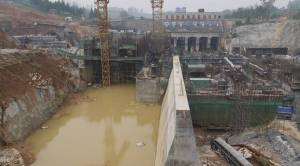 Link: http://www.marketplace.org/2016/04/21/world/warning-parched-china-city-runs-out-water
Summary: A northern city in China has run out of water, increasing pressure between the government and it’s constituents. Marketplace explores this multifaceted issue in regards to the future of China’s economic development.
Original Air Date: April 25, 2016
Length: 7 minutes 2 seconds
 Link: http://wwno.org/post/04192017-report-land-quarterly-profits-and-losses
Summary: In this marketplace podcast, they discuss the latest earnings of Yahoo, IBM and Volkswagen. Marketplace also introduces two cities that are changing; New York City and Pittsburgh. New York City is looking to disallow employers from asking candidates about past salary, and Pittsburgh is trying to shake the “Steel City” nickname for “Robo-burgh”.
Original Air Date: April 19, 2017
Length: 6 minutes 50 seconds
 Link: http://www.npr.org/sections/money/2016/12/23/506763952/episode-587-jubilee
Summary: After Iceland was hit hard by the financial crisis, Icelanders with mortgage loans were drowning in debt. Recognizing the outrage, the Progressive Party of Iceland capitalized and offered to clear everyone’s debt. Planet Money discusses Iceland’s use of a biblical event called jubilee and the results.
Original Air Date: December 23, 2016
Length: 20 minutes
 Link: http://www.npr.org/sections/money/2017/01/25/511663527/episode-632-the-chicken-tax
Summary: Believe it or not, there is a chicken tax and it actually applies to automobiles! Back in the 20th century, Germany levied a tax on American chicken to protect their domestic farmers. The US responded by taxing German made automobiles, and thus a trade war began. Planet Money discusses the value of tariffs, and why the chicken tax is still around.
Original Air Date: January 25, 2017
Length: 16 minutes 56 seconds

 audioecon