Archive for the ‘Environmental economics’ Category
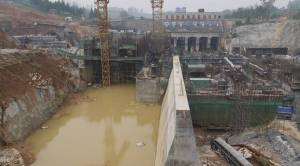 Link: http://www.marketplace.org/2016/04/21/world/warning-parched-china-city-runs-out-water
Summary: A northern city in China has run out of water, increasing pressure between the government and it’s constituents. Marketplace explores this multifaceted issue in regards to the future of China’s economic development.
Original Air Date: April 25, 2016
Length: 7 minutes 2 seconds
 Link: http://www.marketplace.org/2016/05/03/sustainability/lead-contamination-poisons-housing-prices-east-la
Summary: Lead contamination has serious economic consequences for home owners – not only for home values but health costs as well.
Original Air Date: May 6, 2016
Length: 2 minutes 25 seconds
 Link: http://www.npr.org/sections/money/2017/02/03/513302816/episode-752-eagles-vs-chickens
Summary: One farmer had what seemed like a great environmentally conscious plan to fertilize his soil. However, Eagles threw his plan of offering Whole foods consumers organic chicken into disarray. Planet Money discusses how the unintended consequences impacted farmer’s plan.
Original Air Date: February 3, 2017
Length: 17 minutes 28 seconds
Discussion Question: What were the unintended consequences of the farmer’s choice to use chickens to fertilize the soil? Explain how unintended consequences are important to economics.
 Link: http://www.npr.org/sections/money/2017/02/24/517076055/episode-756-the-bees-go-to-california
Summary: Bee stings hurt, but without bees, fruits and nuts wouldn’t be possible. Every year, millions of bees travel from the east to California to pollinate fields. Planet Money researches this unique business and how efficient trucking bees from Louisiana to California really is.
Original Air Date: February 24, 2017
Length: 22 minutes 54 seconds
 Link: https://www.marketplace.org/2017/03/27/tech/farmers-hack-their-equipment-evade-tractor-company-policies
Summary: Farmers are hacking into their own tractors in order to fix them, rather than pay for a dealer to fix it for them. Marketplace introduces this situation and explains why tractor owners aren’t satisfied with this developing market concentration in the repair market and what they hope to do about it. .
Original Air Date: March 27, 2017
Length: 3 minutes 2 seconds
Discussion Question: What impact does forcing tractor owners to go through dealers for repairs do for competition in the market? Who benefits from this system more, the owner or the dealer?
 Link: http://www.marketplace.org/2016/04/18/world/resource-curse/venezuela-ranchers
Summary: Venezuela’s oil dependent economy imports nearly 80% of its food, which is particularly worrisome when oil prices are at an all time low.
Original Air Date: April 18, 2016
Length: 4 minutes 46 seconds
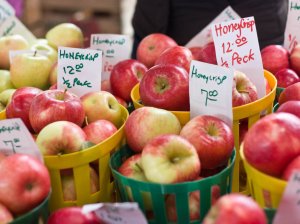 Link: http://www.npr.org/sections/money/2016/10/12/497697621/episode-627-the-miracle-apple
Summary: Years ago, the only classifications for apples was based on color: red, green or yellow. Planet Money discusses how one researcher from Minnesota changed the apple market by introducing an apple that was actually tasty for retail consumers.
Original Air Date: October 12, 2016
Length: 14 minutes 7 seconds
Discussion Question: By putting a patent or a trademark on a type of apple, how does that affect supply and demand? How does it affect competition in the market?
 Link: http://www.npr.org/sections/money/2016/09/09/493295430/episode-566-the-zoo-economy
Summary: Due to regulations and animal cruelty, the market for animals has almost disappeared over the years. Planet Money discusses how zoos and aquariums use different methods to get their animals without having to pay a single dollar and avoiding a PR disaster.
Original Air Date: September 9, 2016
Length: 17 minutes 22 seconds
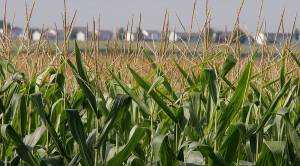 Link: http://www.marketplace.org/2016/04/13/world/gmo-crops-declineat-least-now
Summary: Due to falling commodity prices, the number of acres across the globe containing genetically modified crops has fallen for the first time in 20 years.
Original Air Date: April 13, 2016
Length: 2 minutes 4 seconds
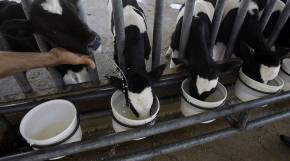
Link: http://www.marketplace.org/2016/03/28/world/happy-saudi-cows-eating-california-alfalfa
Summary: A Saudi dairy company, Almarai, bought a total of 14,000 acres of land across Arizona and California with the intentions of growing alfalfa, a water intensive crop. Almarai plans to export the U.S. grown alfalfa back to Saudi Arabia to be used as fodder.
Original Air Date: April 6, 2016
Length: 2 minutes 22 seconds
 audioecon