Link: http://www.npr.org/blogs/money/2012/07/18/156928675/episode-387-the-no-brainer-economic-platform

Summary: Presentation of a hypothetical presidential campaign platform that economist from across the political spectrum would support.
Original air date: July 18, 2012
Length: 26:54
Discussion Prompt: One economic platform in the podcast is that the government should cut corporate, income and payroll taxes. How this might impact the economic environment of the country? Why were some panelists in the podcast opposed to cutting these taxes?
Written Assignment Prompt: Consider these economic platforms from a political point of view. What are the strengths and weaknesses of each? If you were a political strategist, could you present these ideas in a way that the public would understand?
Link: http://www.npr.org/blogs/money/2012/07/20/157105414/episode-388-putting-a-price-tag-on-your-descendants

Summary: A discussion of how the choice of discount rate impacts public policy decisions such as flood protection actions in Los Angeles and New Orleans.
Original Air Date: July 20, 2012
Length 17:38
 Link: http://www.npr.org/blogs/money/2012/03/23/149235180/the-friday-podcast-the-surprisingly-entertaining-history-of-the-income-tax
Summary: A discussion of the origins and history of the income tax in the U.S.
Original Air Date: March 23, 2012
Length 19:20
Main story content begins: 3:12
 Link: http://www.npr.org/blogs/money/2012/02/03/146363292/the-friday-podcast-is-hosting-the-super-bowl-worth-it
Categories: Economic impact analysis, Government, sports economics, urban economics
Summary: A consideration of the costs and benefits to the city of Indianapolis for building a stadium to attract the Super Bowl.
Original Air Date: February 3, 2012
Length 19:15
 Link: http://www.npr.org/blogs/money/2012/01/20/145538772/the-friday-podcast-katy-perrys-perfect-year
Summary: An assessment of the record industry (revenue, expenses, profit) using Katy Perry as an example.
Original Air Date: January 20, 2012
Length: 17:34
Main story content begins: 1:50
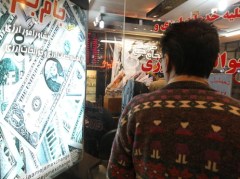 Link: http://www.npr.org/blogs/money/2012/01/17/145361054/the-tuesday-podcast-do-sanctions-work
Summary: Interview with Economist Gary Hufbauer to consider the effectiveness of sanctions as a political tool, in the context of imposition of new sanctions to Iran. Includes a profile of life in Iran in the early 1990s under U.N. sanctions.
Original Air Date: January 17, 2012
Length 22:54
Main story content begins: 2:46
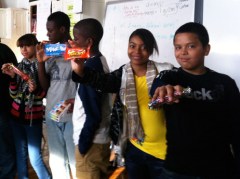 Link: http://www.npr.org/blogs/money/2011/12/23/144195081/the-friday-podcast-why-economists-hate-gifts
Summary: An economic consideration of the holiday season with economist Joel Waldfogel. Includes an experiment distributing candy randomly to students and allowing a candy exchange.
Original Air Date: December 23, 2011
Length 17:15
Main story content begins: 2:52
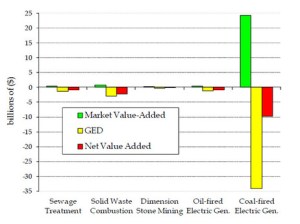 Link: http://www.npr.org/blogs/money/2011/10/25/141701559/the-tuesday-podcast-will-economic-growth-destroy-the-planet
Summary: A discussion of the question whether the environment can sustain continuous economic growth, and the impact of economic growth on the environment.
Original Air Date: October 25, 2011
Length: 21:51
Main story content begins: 3:22
 Link: http://www.npr.org/blogs/money/2011/11/04/142016962/the-friday-podcast-how-fear-turned-a-surplus-into-scarcity
Summary: Story of the origins of the 2008 global rice shortage “that wasn’t”.
Original Air Date: November 4, 2011
Length: 24:33
Main story content begins: 2:12
 Link: http://www.npr.org/blogs/money/2012/05/04/152028558/in-a-leaderless-world-who-wins
Summary: Interview with Ian Bremmer discussing his book, Every Nation for Itself: Winners and Losers in a G-Zero World and issues of international politics and economics in a multipolar (or zero-polar) world.
Original Air Date: May 4, 2012
Length: 15:23
Main story content begins: 2:37



 audioecon