Link: http://www.npr.org/blogs/money/2012/08/10/158576358/episode-393-the-building-thats-in-two-countries-at-once

Summary: The team explains the challenges to doing business within the political and economic structure of the European Union. An office building between Germany and Netherlands is used as an example of the relationship and differences among the countries of the European Union.
Original air date: August 10, 2012
Length: 15:15 min
Link: http://www.npr.org/blogs/money/2012/03/02/147826043/the-friday-podcast-chinas-giant-pool-of-money

Summary: NPR visits China to shed light to the economic trade surplus which the country is experience in relation to the U.S. To understand how 8 percent of the U.S. debt is held by China and how this giant pool of money has been gradually growing, NPR takes a tour around a fake-wood flooring export factory.
Original air date: March 2, 2012
Length: 15:10 min
Link: http://www.npr.org/blogs/money/2012/01/24/145757370/the-tuesday-podcast-who-loaned-money-to-greece-anyway

Summary: NPR interviews Hans Humes, CEO of an American hedge fund called Greylock Capital management who explains the complexity of the Greek financial crisis and its impact on the Eurozone.
Original air date: January 24, 2012
Length: 15:05 min
Link: http://www.npr.org/blogs/money/2012/02/21/147223073/the-tuesday-podcast-what-do-private-equity-firms-actually-do

Summary: The podcast outlines the practices and economic implications of private equity firms, as well as the risk involved in leveraging different companies. Bain Capital, the private equity firm co-founded by Mitt Romney, is used as the primary example.
Original air date: February 21, 2012
Length: 25:15 min
Link: http://www.freakonomics.com/2012/08/30/how-deep-is-the-shadow-economy-a-new-freakonomics-radio-podcast/
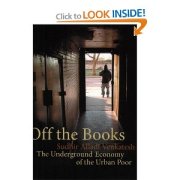
Summary: Freakeconomics radio interviews Sudhir Vankatesh about the size of the shadow economy and the variety of off-the book transactions that flow throughout our tax system. Examples touched upon range from illicit transactions such as drug trafficking to ordinary services such as hair-cutting.
Original air date: August 30, 2012
Length: 20:09 min
Link: http://www.npr.org/blogs/money/2012/09/25/161749564/episode-405-cheating-stealing-and-quantitative-easing

Summary: The podcast outlines the black market of stolen bikes, cheating between countries (USA and China) in trade agreements and the changes of quantitative easing announcements between past and current years.
Original air date: September 25, 2012
Length: 14:21 min
Link: http://www.freakonomics.com/2012/08/16/freakonomics-goes-to-college-part-2-a-new-freakonomics-radio-podcast/

Summary: Part 2 of the dual commentary podcast focuses on the complexity of analyzing the true costs of earning a college degree and the hardships of finding suitable work after graduating from college.
Original air date: August 16, 2012
Length: 34:17 min
Link: http://www.freakonomics.com/2012/07/30/freakonomics-goes-to-college-part-1-a-new-freakonomics-radio-podcast/
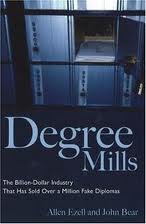
Summary: Freakonomics Goes to College features a dual commentary on the benefits and costs of college degrees. Part 1 of the podcast focuses on the shadow economy of fake diplomas as well as how prosperous a college degree is for an individual in the long run.
Original air date: July 30, 2012
Length: 29:58 min
Link: http://www.econtalk.org/archives/2012/06/moretti_on_jobs.html

Summary: Enrico Moretti, author of The New Geography of Jobs explains how economic success has spillover effects from educated workers in forms of wages and jobs.
Original air date: June 25, 2012
Length: 1:11
Link: http://www.econtalk.org/archives/_featuring/dani_rodrik/
Summary: Dani Rodrik of Harvard University discusses how globalization factors do not necessarily produce negative implications. He argues that work displacement due to technological advancements and productivity increase can be managed by different political and social policies varying from country to country.
Original air date: April 11, 2011
Length: 1:00

 audioecon