
Summary: NPR visits Southern Italy and a Barrila pasta plant in order to outline the importance of leadership and positive peer pressure in the workforce.
Original air date: September 07, 2012
Length: 26:15
Summary: NPR visits Southern Italy and a Barrila pasta plant in order to outline the importance of leadership and positive peer pressure in the workforce.
Original air date: September 07, 2012
Length: 26:15
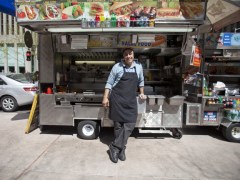 Link: http://www.npr.org/blogs/money/2012/04/25/151365350/how-to-make-it-in-the-food-truck-business
Summary: NPR sheds light on the competitive market economy of the food truck business in Manhattan,.
Original air date: April 27, 2012
Length: 14:24 min
Discussion Prompt: Restaurants are a common example of firms operating in a monopolistically competitive type of market structure. In what way do you think food trucks do or do not fall in that same market structure category? Explain using economic thinking.
Follow-up Prompt: The podcast discusses the particular strategies that food truck drivers might employ to be successful in their goal of maximizing profits. How do you think the type of market structure in which a firm operates impacts the strategic thinking and actions that firms engage in? You can make your comments relevant to the food truck example, or think more broadly and connect to other industries or examples.

Summary: Sheilagh Ogilvie, an economic historian at Cambridge University, outlines the importance of guilds in the 16th century and how their political and economic structures parallel modern workplaces and markets.
Original air date: March 27, 2012
Length: 30:15 min

Summary: Freakeconomics radio interviews Sudhir Vankatesh about the size of the shadow economy and the variety of off-the book transactions that flow throughout our tax system. Examples touched upon range from illicit transactions such as drug trafficking to ordinary services such as hair-cutting.
Original air date: August 30, 2012
Length: 20:09 min
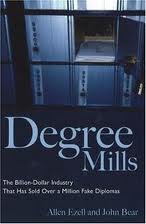
Summary: Part 2 of the dual commentary podcast focuses on the complexity of analyzing the true costs of earning a college degree and the hardships of finding suitable work after graduating from college.
Original air date: August 16, 2012
Length: 34:17 min
Link: http://www.econtalk.org/archives/2012/06/moretti_on_jobs.html

Summary: Enrico Moretti, author of The New Geography of Jobs explains how economic success has spillover effects from educated workers in forms of wages and jobs.
Original air date: June 25, 2012
Length: 1:11
Link: http://www.econtalk.org/archives/_featuring/dani_rodrik/

Summary: Dani Rodrik of Harvard University discusses how globalization factors do not necessarily produce negative implications. He argues that work displacement due to technological advancements and productivity increase can be managed by different political and social policies varying from country to country.
Original air date: April 11, 2011
Length: 1:00
Link: http://www.econtalk.org/archives/2011/08/satz_on_markets.html

Summary: Debra Satz, Professor of Philosophy at Stanford University, argues about the vagueness of efficiency in markets and the resulting impact on the economic, social and political spheres of society.
Original air date: August 8, 2011
Length: 1:02
Link: http://www.npr.org/blogs/money/2011/06/13/137109349/the-friday-podcast-the-case-for-preschool

Summary: Discussion with economist James Heckman on the findings of a study of the economic and social impacts of preschool.
Original air date: June 10, 2011
Length: 21:14
Main story content begins: 3:12
Discussion Prompt: If you were the U.S. Secretary of Education considering whether to require universal preschoool for all children in the U.S., what factors from the podcast might you consider as you weighed the costs and benefits of this decision? What other factors (not included in the podcast) might you need to consider (or might, say, the President of the U.S. or Congress need to consider). Which of these factors do YOU think would be most important to consider, and why?
Follow-up Prompt: If you were promoted (!) to President, what sort of tradeoffs might you have to think about that are different from those of the Education Secretary? What might you have to take into account from that higher perspective? How can you see – from either position – that budgets reflect scarcity, choices and tradeoffs?
 audioecon