Author Archive
FreeDigitalPhotos.net
Link: http://www.npr.org/blogs/money/2013/09/30/227468495/one-key-thing-no-one-knows-about-obamacare
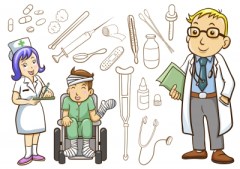
Summary: No one really knows who will sign up for the Affordable Health Care Plan (Obamacare) once it gets introduced. One potential risk of the program is that it will enter the insurance “death spiral,” or the inability for the program to attract healthy people. This could cause insurance premiums to skyrocket causing the whole system to fall apart.
Original Air Date: September 30, 2013
Length: 3 min
 Link: http://www.npr.org/blogs/money/2013/10/10/230914894/what-a-u-s-default-would-mean-for-pensions-china-and-social-security
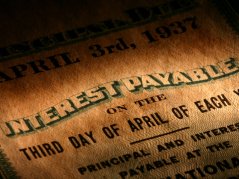
Summary: What would happen if the U.S. defaults? According to experts in the field, a U.S. default would lead to the inability for the government to pay back their loans which in turn could have damaging effects to the social security program, pension accounts and foreign direct investment in treasury bonds. Also considers the impact on China, as a U.S. bondholder.
Original Air Date: October 10, 2013
Length: 4 min
 Link: http://freakonomics.com/2013/10/03/how-to-think-about-money-choose-your-hometown-and-buy-an-electric-toothbrush-a-new-freakonomics-radio-podcast/
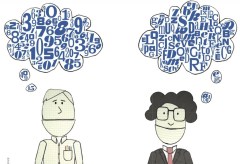
Summary: What makes us choose the places we decide to settle down and start a family? Does electronic banking effect the way we spend money or in other words how we do “mental accounting?” Freakonomics Radio sheds a bit of light in the different ways people decide where to live and the generational shift between hard cash and credit.
Original Air Date: October 3, 2013
Length: 26 min
 Link: http://www.npr.org/2012/12/26/168068655/e-books-destroying-traditional-publishing-the-storys-not-that-simple?live=1
Summary: Contrary to conventional wisdom about e-book publishing and its negative impact on book sales, it turns out that flexible pricing on e-books actually bring in new readers.
Original Air Date: December 27, 2012
Length: 4 min
 Link: http://www.npr.org/2012/06/04/154287476/honest-truth-about-why-we-lie-cheat-and-steal
Summary: Planet Money interviews Dan Ariely, professor of Psychology and Behavioral Economics at Duke University, about his book The Honest Truth About Dishonesty. Ariely notes that most individuals do not conduct their daily affairs on strict cost-benefit analysis but rather tend to cheat, lie, and steal as long as they don’t cross a certain moral threshold.
Original Air Date: June 4, 2012
Length: 8 min
 Link: http://www.npr.org/blogs/money/2013/06/21/194326482/episode-467-tires-taxes-and-the-grizz
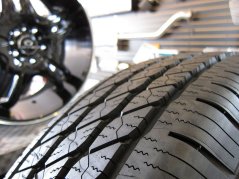
Summary: The prices of tires have been rising over the past five years primarily due to a rise in the price of inputs such as rubber. A tariff imposed by the U.S. government on Chinese tire imports has also contributed to the increase of tire prices. Planet Money outlines the negative impacts on U.S. tire companies resulting from the tariff.
Original Air Date: June 21, 2013
Length: 14 min
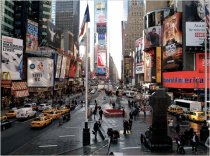 Link: http://www.freakonomics.com/2011/02/18/freakonomics-radio-why-cities-rock/
Summary: Edward Glaeser, professor of Economics at Harvad University and author of the book Triumph of the City: How Our Greatest Invention Makes Us Richer, Smarter, Greener, Healthier, and Happier explains the importance of urban cities and the positive effects they produce for our overall wellbeing.
Original Air Date: February 18, 2011
Length: 17 min
 Link: http://www.freakonomics.com/2011/01/13/freakonomics-radio-the-economics-of-trash/
Summary: Freakonomics radio sheds a bit of light on the insidious characteristics of the “economics of trash” and asks how incentives effect the level of trash produced by the average household.
Original Air Date: January, 12 2011
Length: 22 min
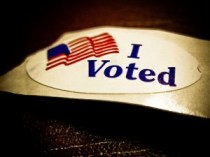
Link: http://www.freakonomics.com/2012/10/25/we-the-sheeple-a-new-freakonomics-podcast/
Summary: Freakonomics radio interviews Bryan Caplan, author of The Myth of the Rational Voter: Why Democracies Choose Bad Policies in order to consider the relationships among the average American voter, their representatives and the democratic system formed in the process.
Original Air Date: October 25, 2012
Length: 23:24 min
 Link: http://www.freakonomics.com/2010/03/24/freakonomics-radio-what-would-the-world-look-like-if-economists-were-in-charge/
Summary: To what extent would the world change if economists ran the world? The podcast interviews Estonian prime minister, Mart Laar, who revamped his economy based on the teachings of Milton Friedman; and Friedman’s grandson, Patri Friedman, who want to build cities in the middle of the ocean.
Original Air Date: March 24, 2010
Length: 20 min
 audioecon